Arts for All
(AFA)
Arts for All partners with state governments to make learning using the arts and artistic pedagogy a regular, high-quality part of public education. We work at the policy and system level to ensure children in government schools get access to learning through the arts as a part of their school week, and then transform that time into a meaningful space for learning, expression, and growth.
Across Punjab, Maharashtra and Bihar, we build contextual curriculum rooted in the state’s culture, stories and identities, train and coach government school teachers through the year, and strengthen state resources for arts-based learning. We also create platforms for children who want to go deeper into the arts, opening pathways for creative expression, confidence and future possibility.
Arts for All, Punjab
Know more about Project Aawaaz
We scaled arts-integrated SEL across all 23 Punjab districts in partnership with SCERT, reimagining education.
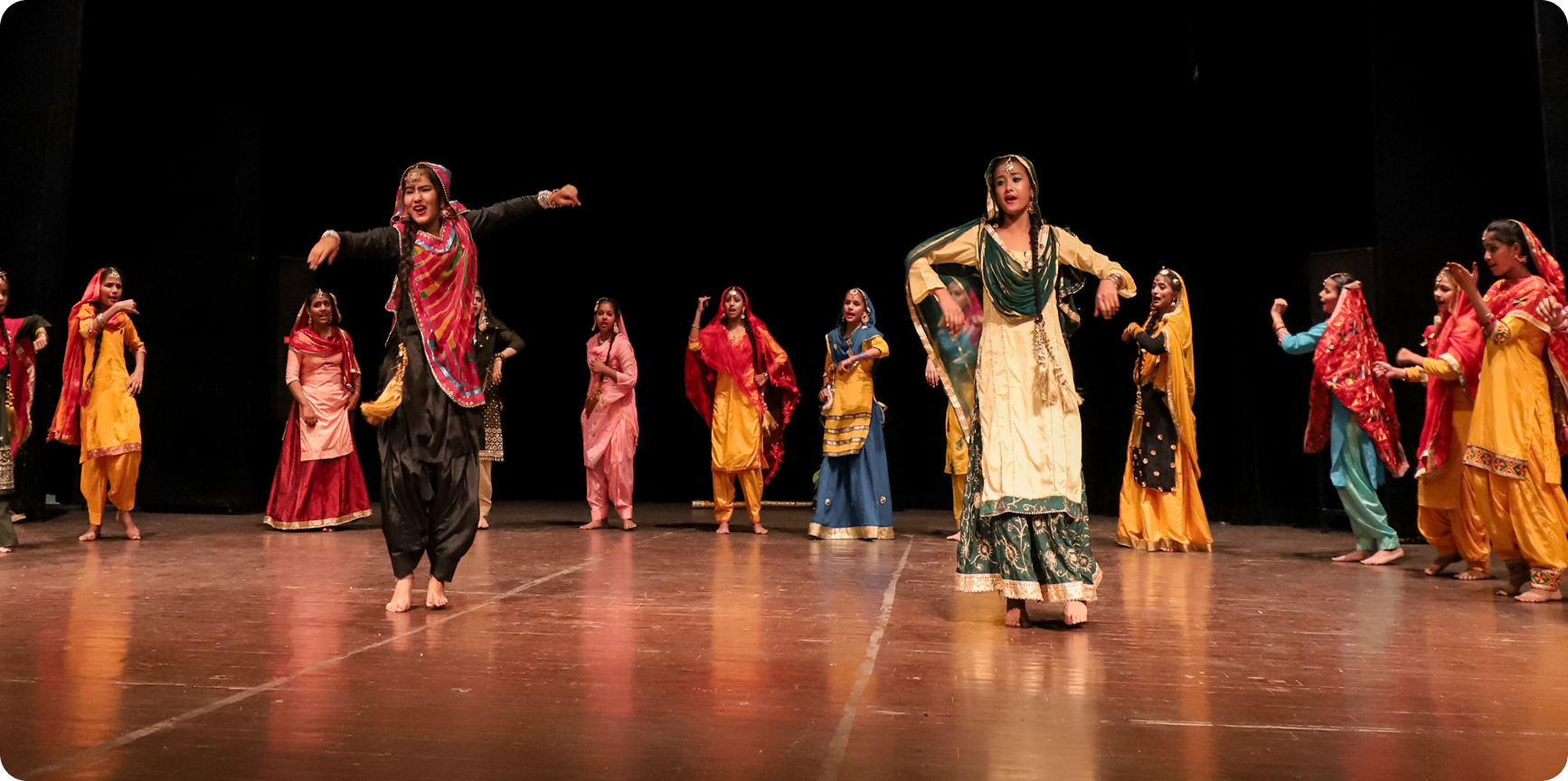
Students’ voices came alive at Kala Sath showcases in collective arts-based expression.
After nearly four decades, Punjab’s art education is being reformed.
Through a state-wide redesign of art textbooks across all 23 districts, in partnership with SCERT.
What changed in classrooms?
For Teachers
grown ability in SEL and arts integration.
create safe spaces for sharing through art.
helping peers integrate SEL into their practice.
For Students
ask meaningful questions to deepen learning.
confidently share classroom learnings.
of students engage actively in analytical activities.
As one teacher shared:
“These days, many students are going through different emotional and psychological challenges.
When we address these through art-based activities, I see them open up and participate more in class.”
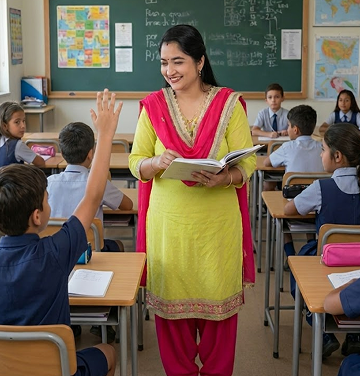
-Ishu Parmar, Art Mentor,
Government High School Darauli
Maharashtra: Project Abhivyakti
Know more about Project Abhivyakti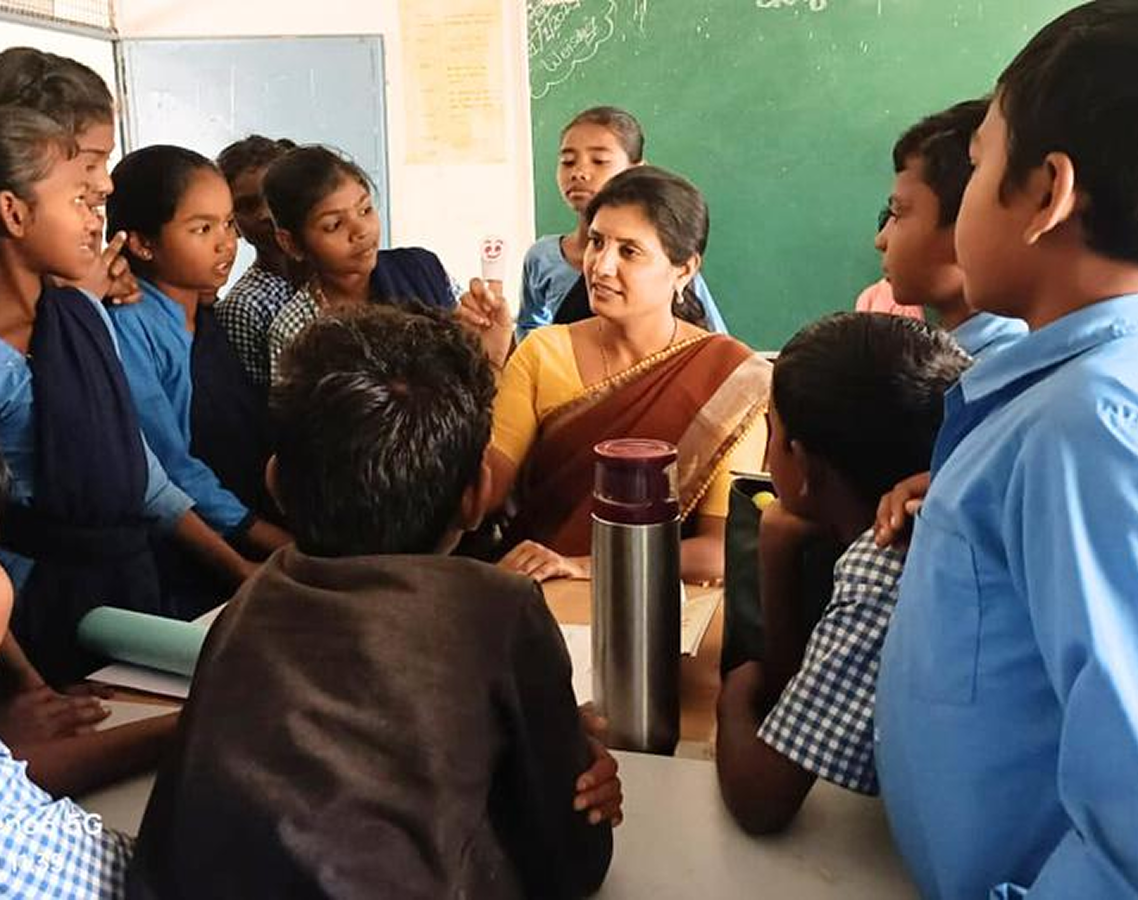
Began working in Maharashtra with SCERT in Chandrapur and Bhiwandi, reaching 80 Grade 6 classes.
Launched Project Abhivyakti with the Tribal Development Department, piloting arts-based SEL.
Project Abhivyakti became a government-supported initiative through a 3-year partnership with the Tribal Development Department.
What changed
in classrooms?
Teachers reported fewer disruptions and greater confidence in managing classrooms.
Students began linking their creativity to real issues, developing climate-conscious behaviors.
students actively participated and completed learning activities.
classrooms showed 2 out of 3 students mastering lesson objectives.
students advanced at least 1 level in curiosity, imagination, & emotional awareness.
Bihar: Digital Saathi
Digital Saathi is a SEL-integrated digital literacy curriculum for government schools.
students reached across grades 6–12 by the end of the year
Focusing on areas:
In partnership with Girl Rising and the District Education Office.
Teachers were trained to implement the curriculum through interactive, arts-based methods that make digital education engaging and human-centered.
By connecting digital literacy with SEL, Digital Saathi ensures that as internet access spreads through Bihar.
Digital Reach via DIKSHA
Punjab (2022)
Content: Gender Equity
Reach: 5.8 million students | 2.57 lakh teachers
Maharashtra (2023)
Content: Gender Equity + Gen Earth
Reach: 5.7 million students | 2.42 lakh teachers
Haryana (2024)
Content: Gender Equity + Gen Earth
Reach: 5 million students | 94,000 teachers
Andhra Pradesh (2025)
Content: Digital Literacy Awareness
Reach: 2.5 million students | 2.1 lakh teachers